
From Vision to Reality
For more than a century, Justus has approached development differently. We don’t simply develop communities and move on. We develop them, build them, own them, and operate them for the long term.
Most developers build to sell. We build to own and operate.
Long-term ownership changes the way decisions are made. It means looking beyond construction schedules and opening-day results to consider durability, operating efficiency, resident satisfaction, maintenance, and lasting community value.
Develop → Build → Operate isn’t a slogan for us. It’s the through-line of a company that has been developing communities since 1910, and it’s the reason our development, construction, and property management teams sit at the same table from a project’s earliest concepts.
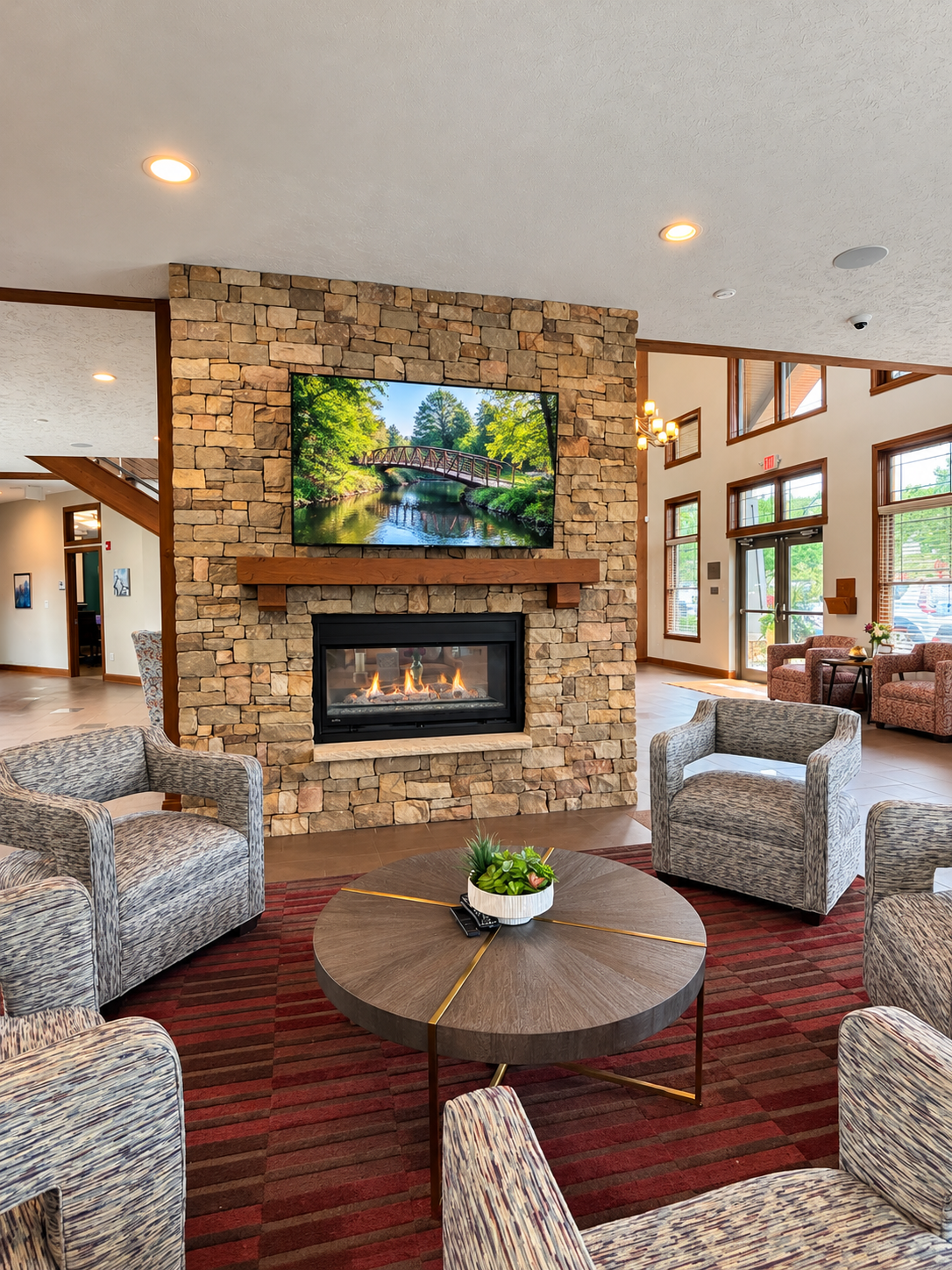
Operations at the Drawing Board
Most developers separate construction from operations. We integrate them on purpose.
Our regional managers, maintenance leaders, and resident experience teams are part of development conversations from the start. That means floor plans get pressure-tested by the people who’ll lease them. Mechanical systems get evaluated by the people who’ll maintain them. Amenity programs get shaped by the people who’ll deliver them.
Their insight helps us create communities that work better for residents, staff, and ownership from the day they open—and for decades afterward.
Our Development Approach
A disciplined, integrated process that guides every decision from the right opportunity to a thriving, long-term community.

Strategic Site Selection
We pursue opportunities where long-term fundamentals are strong—demographics, accessibility, competition, and growth potential. If we wouldn’t invest our own capital there, we don’t build there.

Disciplined Financial Planning
We partner with banks, capital partners, and investors to structure projects that balance opportunity, risk, and long-term value. Because we often remain invested after completion, our decisions are guided by long-term performance—not short-term gains.

Integrated Design Process
Development, construction, and operations collaborate from day one. We design for beauty, functionality, and performance—creating communities that are efficient to build, a pleasure to live in, and built to stand the test of time.

End-to-End Accountability
We are involved from the first concept through lease-up and long-term management. Our teams remain accountable long after completion because we own many of the communities we create—and our reputation is on the line.
Where We Excel
55+ Senior Living Communities
We’ve been developing for the active adult market for more than 60 years. Our communities are designed around how residents actually live: comfortable, connected, low-maintenance, and built for the long arc of independent living.
Multifamily Residential
Operational efficiency and resident experience drive long-term performance in multifamily, and both are strengths we’ve built deliberately. Our floor plans are livable, our service standards are consistent, and our properties hold their quality because we’re the ones maintaining them.
Commercial & Retail
We develop commercial and retail properties with a focus on strategic locations, functional design, and long-term performance. By considering the needs of businesses, customers, and the surrounding community, we create adaptable spaces that support successful tenants and remain valuable over time.
Mixed-Use Environments
In select markets, we develop mixed-use communities that combine residential living with complementary retail or office uses. Walkability, shared gathering spaces, and operational coordination between uses are central to how we approach these projects.
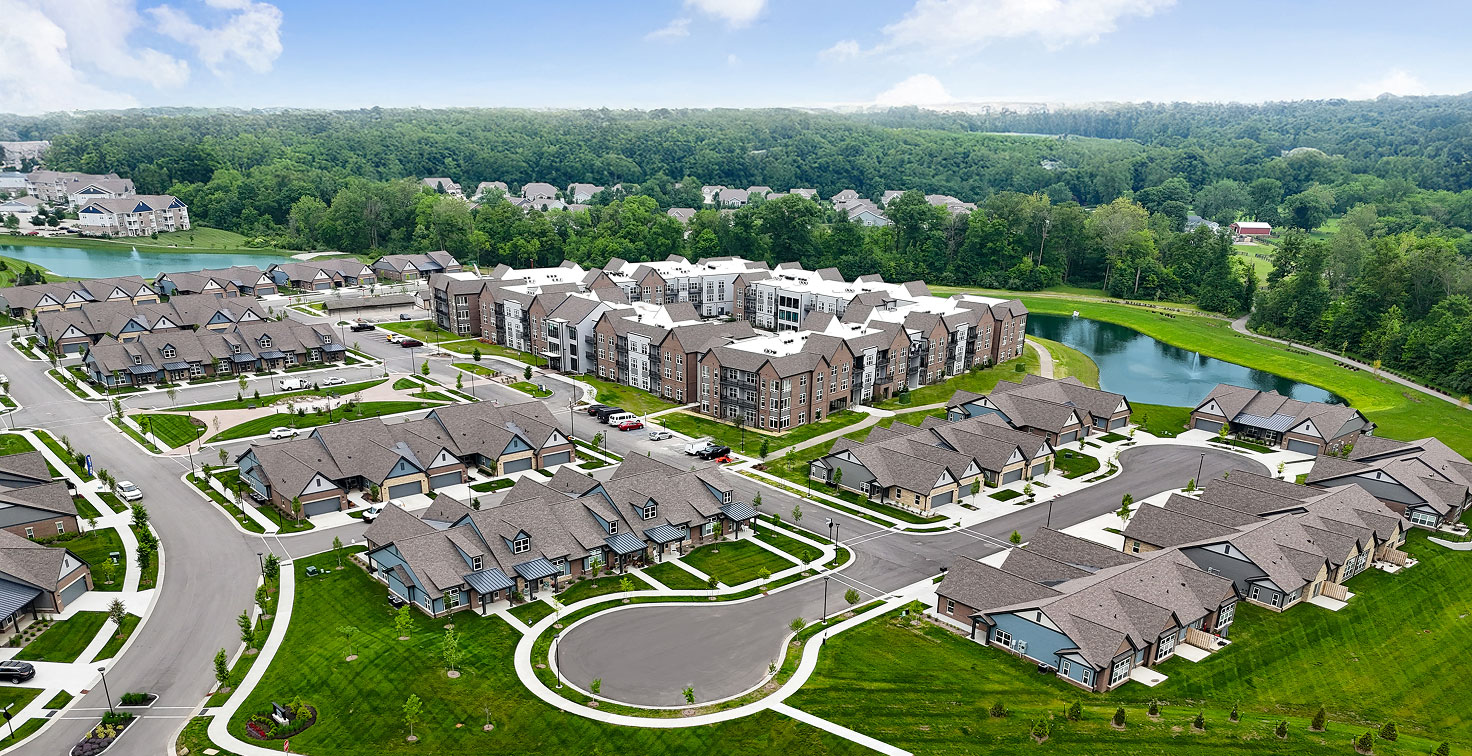
Case Study
Promenade Trails: The Approach in Practice
Promenade Trails wasn’t conceived as a project. It was conceived as a connected, walkable 55+ Senior Living Community within the broader Promenade PUD framework, designed to balance density with livability and to evolve alongside the area around it.
Today, that vision still holds. Promenade Trails continues to reflect strong design and consistent management because the people who built it are the same people responsible for it now.
Why 1910 Still Matters
A legacy that begins in 1910 means we’ve been through enough economic cycles to know what holds up and what doesn’t. It means we build for durability because we’ve watched what happens when others don’t. Our standards for craftsmanship, materials, and resident experience aren’t preferences—they’re institutional memory.
What we build is meant to last. That has been true for five generations, and it shapes every decision we make today.